September 15, 2026
Window tint can do much more than change the appearance of a vehicle. Quality film can reduce glare, help manage interior heat, protect upholstery from sun exposure, and make time behind the wheel more comfortable. However, tint does not last forever, and some vehicles leave the factory with little protection from sunlight beyond basic privacy glass. Knowing when to consider professionally installed window tint can help drivers address discomfort, fading, visibility issues, and aging film before they become more frustrating. Paying attention to a few common signs can make it easier to decide when an upgrade or replacement is worthwhile.
1. Noticing Excessive Heat Inside the Cabin
One of the clearest signs that your vehicle may benefit from tint is an interior that becomes uncomfortably hot after sitting in the sun. Dark dashboards, leather seats, steering wheels, and other surfaces can absorb heat quickly, making the cabin unpleasant even after the air conditioning starts running. Drivers who regularly park outdoors may notice that the vehicle takes a long time to cool down, especially during warmer months. Professional auto window tinting can help reduce the amount of solar heat entering through the glass and make the cabin easier to manage.
Heat reduction can also make everyday driving more comfortable for passengers, children, and pets. According to AAA, ceramic auto window tint can reduce the temperature inside a vehicle by as much as 50%. While actual results can vary depending on the film, vehicle, weather, and amount of sun exposure, quality tint can still make a noticeable difference. If the cabin routinely feels excessively hot despite normal air-conditioning use, upgrading the windows may be worth considering.
2. Experiencing Frequent Glare While Driving
Glare from sunlight can make driving tiring and sometimes interfere with visibility. It may be especially noticeable early in the morning, late in the afternoon, or when sunlight reflects off other vehicles, wet roads, buildings, or snow. Sunglasses can help, but they do not always solve the problem from every angle. Properly selected auto window tinting can reduce harsh light entering through the side and rear windows while maintaining appropriate visibility for the driver.
Drivers who frequently squint, adjust their visor, or shift position to avoid sunlight may benefit from having their existing glass evaluated. Tint can also be useful for passengers who experience discomfort from bright light during longer trips. The goal is not to make the cabin excessively dark but to choose film that controls glare while remaining suitable for normal driving conditions. A professional can recommend options based on the vehicle, local requirements, and the driver's preferences.
3. Seeing Fading or Cracking Interior Materials
Constant exposure to sunlight can gradually affect a vehicle's interior. Upholstery may fade, dashboards can discolor, and leather or vinyl surfaces may begin to dry or crack over time. These changes often happen slowly, so drivers may not notice them until the contrast becomes obvious. Installing auto window tinting can help reduce exposure to ultraviolet rays and sunlight that contribute to the deterioration of interior surfaces.
Protecting the cabin can be especially valuable for vehicles that spend much of the day parked outside. Seats, trim, carpeting, and dashboard materials are all exposed to sunlight through the windows, and repeated exposure can change their appearance. Tint will not reverse existing damage, but it can help limit additional fading and wear. Drivers who want to preserve the condition of a newer vehicle may choose tint before visible deterioration becomes significant.
4. Feeling Uncomfortable During Long Drives
Long periods behind the wheel can become uncomfortable when sunlight continually hits one side of the body. Drivers may notice warmth on their arms, face, or legs even when the air conditioner is keeping the cabin temperature relatively cool. Passengers can experience the same issue, particularly on road trips or during daily commutes. Professional auto window tinting can help reduce direct solar exposure and create a more even, comfortable environment inside the vehicle.
This difference can be particularly noticeable on highways where the direction of travel keeps sunlight on the same side of the car for an extended period. A more balanced cabin can reduce the need to constantly adjust vents, reposition clothing, or move away from the window. If sunlight regularly makes longer drives uncomfortable, tint may provide a practical improvement without requiring changes to the vehicle's climate-control system.
5. Discovering Peeling, Bubbling, or Discolored Tint
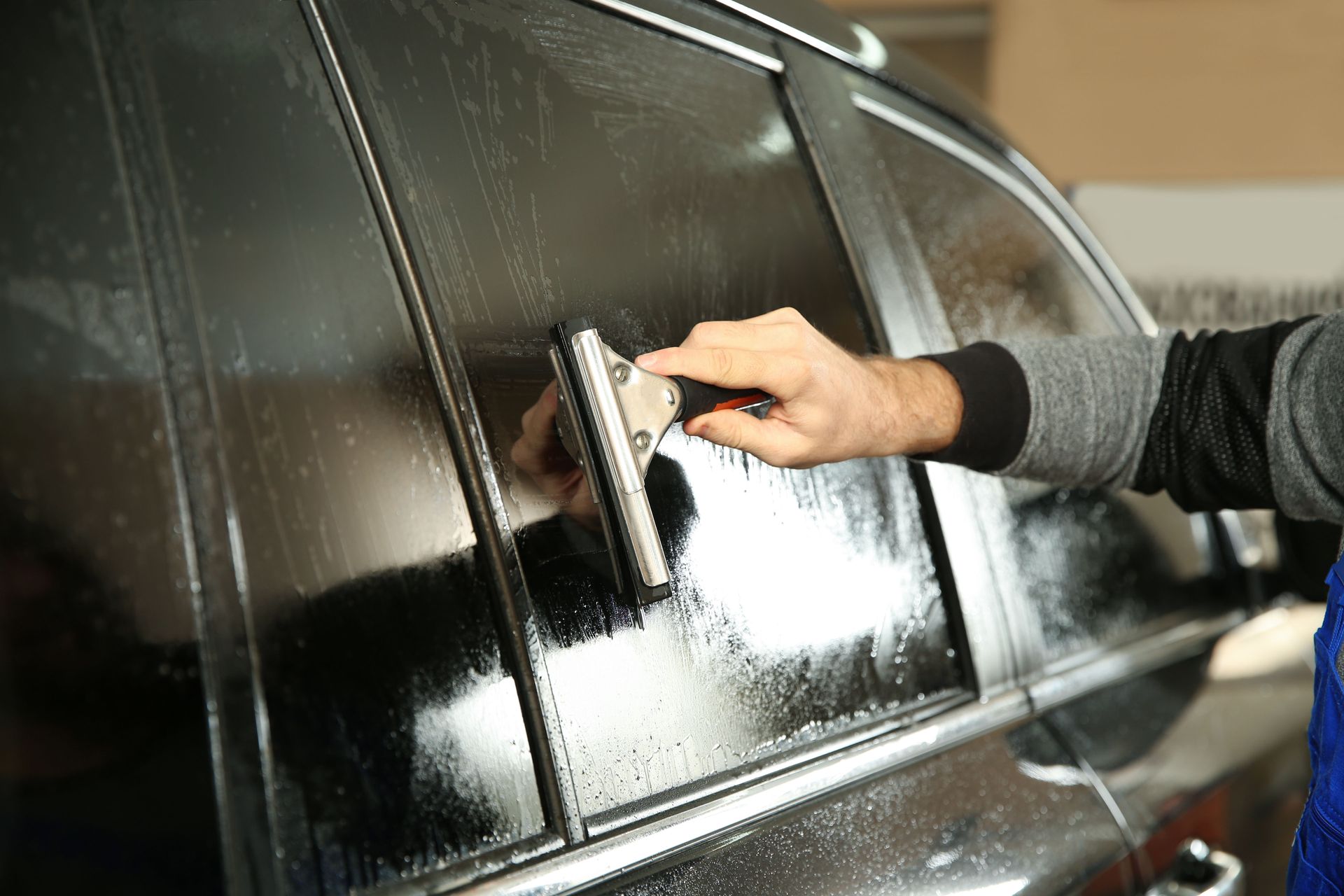
Older or poorly installed film can eventually develop visible problems. Bubbles may appear between the film and glass, edges can begin to peel, and some tint can take on a purple or uneven appearance as it ages. These issues affect the look of the vehicle and may also interfere with visibility. When existing film is deteriorating, professional auto window tinting can replace it with a cleaner, properly installed solution.
Removing old film should also be handled carefully because adhesive residue can remain on the glass, and certain rear windows contain delicate defroster lines that can be damaged by improper removal techniques. A professional installer can remove aging material, prepare the glass, and apply new film smoothly. If the current tint is bubbling, lifting, scratched, or changing color, replacement is usually a better option than trying to patch individual areas.
6. Wanting Greater Privacy Inside the Vehicle
Some drivers become uncomfortable with how easily people can see into their vehicle, especially when carrying bags, electronics, work equipment, or other personal items. Factory glass may provide limited privacy, particularly on front or lightly shaded side windows. Professional auto window tinting can reduce visibility into the cabin while still allowing occupants to see outward, depending on the shade and type of film selected.
Privacy tint should not be viewed as a substitute for securing valuables or locking the vehicle, but it can make the interior less exposed to casual observation. Different films offer varying levels of darkness, so drivers can choose an option that fits both their preferences and applicable tint regulations. A professional installer can explain how different shades look from inside and outside the vehicle before the work begins.
7. Replacing Factory Glass With a Better Tint Solution
Some vehicles come with factory privacy glass, but factory-darkened glass is not always the same as professionally applied film. Privacy glass may primarily reduce visible light without providing the same level of heat rejection or ultraviolet protection as specialty films. Drivers who assume their darker rear windows already provide every possible benefit may be surprised by the difference an upgraded film can make. Professional auto window tinting can be selected based on specific goals such as heat control, glare reduction, appearance, or UV protection.
An installer can also help create a more consistent look across the vehicle while considering differences between front, side, and rear glass. Film technology varies widely, including dyed, carbon, and ceramic options with different performance characteristics. Choosing the right product requires more than simply selecting the darkest shade. A professional evaluation can help match the film to the driver's priorities, vehicle design, and legal requirements.
Excessive cabin heat, harsh glare, fading interior materials, uncomfortable sun exposure, deteriorating film, limited privacy, and basic factory glass can all be signs that it is time to consider an upgrade. Quality window tint can improve comfort, protect interior surfaces, reduce glare, and give drivers more control over how sunlight enters the vehicle. The best results depend on selecting appropriate film and having it installed carefully for the specific glass and vehicle. If you are ready to improve your vehicle's comfort, appearance, and protection, contact Artie's Professional Window Tinting LLC.